
For the last three years, U of T Engineering has been leading the pack in the Autodrive Challenge, an intercollegiate competition to create a self-driving electric car. Now, they’re gearing up for the next round.
“We’ll have a new car, we’ll face new teams, and we’ll need to meet new challenges, probably more sophisticated ones,” says Jingxing “Joe” Qian (EngSci 1T8 + PEY, UTIAS MASc candidate), Team Lead for aUToronto, U of T’s self-driving car team. “But I think we’re well prepared.”
The general concept for SAE AutoDrive Challenge™ II, which is sponsored by SAE International and General Motors, will be similar to the original. Teams will receive an electric vehicle – the team’s award-winning entry in the first round was a Chevrolet Bolt that they named “Zeus” – along with sensors and certain software packages.
Their task is to integrate these components and enable the car to meet certain standards, such as recognizing and obeying stop signs or arriving at a sequence of pre-determined address points.
The aUToronto team — which has more than 60 members, including Professors Tim Barfoot, Angela Schoellig and Steven Waslander (all UTIAS) as faculty supervisors and Keenan Burnett (EngSci 1T6+PEY, UTIAS PhD candidate) as a graduate advisor — has a track record of success. Zeus has placed first in all of the yearly meets held so far: the 2018 meet in Yuma, Ariz., the 2019 meet in Ann Arbour, Mich., and a virtual competition held last fall.
There is a fourth meet currently scheduled for June 2021. The SAE AutoDrive Challenge™ II will begin in fall 2021.
For more than a year now, most of the work on Zeus has been done remotely. Sub-teams such as perception, control and simulation coordinate their work using a variety of tools, meeting all together weekly to update each other on progress.
A small task force takes turns physically visiting the vehicle, which is housed at the University of Toronto Institute of Aerospace Studies, near Downsview Airport.
“It’s been a challenging time to work on this project,” says Qian. “Deliverables such as demonstration videos have become really important. They help our teams see that the changes they make have an impact on how the car behaves in a real-world environment.”
The other institutions competing in SAE AutoDrive Challenge II include Kettering University, Michigan Tech, North Carolina Agricultural & Technical State, Penn State, Queen’s University, Texas A & M, Ohio State, the University of Wisconsin and Virginia Tech. Qian is optimistic about aUToronto’s chances.
“I’m very proud of all the effort the team, and the university, have put into this project over the past few years,” says Qian. “I think we deserve to enter the second round, and I’m really excited to get started.”
Sixteen Engineering faculty and staff have been honoured for their outstanding contributions to U of T Engineering with teaching, research, and administrative staff awards.
These awards recognize exceptional faculty and staff members for their leadership, citizenship, innovation and contributions to the Faculty’s teaching, service, and research missions.
“This year it’s especially important for us to celebrate and acknowledge the incredible contributions made by our amazing faculty and staff,” said U of T Engineering Dean Christopher Yip. “My warmest congratulations to the awardees, and my enormous thanks to all the faculty and staff who have risen to meet the unprecedented challenges we have faced.”
The award recipients are:
ADMINISTRATIVE STAFF AWARDS

Tomas Bernreiter, Tony Ruberto and Osmond Sargeant (MIE)
Quality of Student Experience Award for Behind-the-Scenes Staff
Recognizing staff members who have made significant contributions to the quality of student experience in the Faculty through the creation or improvement of programs or services.
This team has worked together for many years to design and maintain engaging labs for Mechanical Engineering (ME) undergrads, and to train TAs to run these labs safely and effectively. In total they have created or helped create more than 100 labs for dozens of courses. The team has always provided an excellent lab experience for students, but they truly went above and beyond during the sudden shift online last year, when they had to quickly reimagine every ME lab in order to provide a comparable experience for students learning remotely. The team successfully moved more than 50 separate labs online, working with each instructor to formulate custom course-by-course plans for virtual labs. They became experts on web-based learning platforms and video recording, creating professionally edited videos for multiple courses and organizing an effort to digitize dozens of labs. All the while, they have continued to support students and instructors on an individual level, providing training and technical support whenever needed. As a result, they have ensured that these labs continue to be a foundational learning tool for ME students.
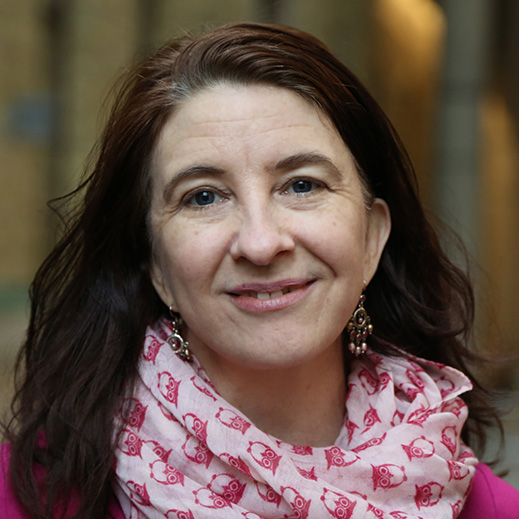
Leanne Dawkins (ECE)
Barbara McCann Quality of Student Experience Award for Frontline Staff
Recognizing a staff member who has made significant contributions to the quality of student experience in the Faculty through their outstanding frontline service.
As Undergraduate Program Manager and Academic Advisor for ECE, Leanne Dawkins is responsible for ensuring a positive experience for approximately 1,300 undergrad students in one of U of T’s largest departments. She not only makes sure that the undergraduate office runs smoothly, but, most crucially, provides outstanding one-on-one service to students facing complex academic and personal challenges. As a counsellor, Dawkins is known for her exceptional listening skills, which allow students to feel heard in very difficult situations. Despite the enormous demands on her time, she works individually with each student for as long as it takes to find the right solution for them. Dawkins is not only an advocate for ECE’s students, but an incredible resource as well; she has made it a priority to improve communications with students and to provide better access to important information. She has also worked hard to create a feeling of community for ECE’s undergrad students; during this year’s switch to online learning, she has maintained this sense of community via multiple platforms, such as the virtual town halls she leads every month.

Gayle Lesmond (MIE)
Harpreet Dhariwal Emerging Leader Award
Recognizing a staff member who leads by example in their dedication to the Faculty’s mission and demonstrates potential to assume a more senior leadership role.
Since taking on the role of Undergraduate Program Administrator & Academic Advisor for MIE in 2018, Gayle Lesmond has created a culture of excellence in the MIE undergraduate office. She has spearheaded initiatives to streamline and improve administrative processes, developed an impressive level of knowledge and expertise, and led by example in her above-and-beyond work ethic and professionalism. Under her leadership the undergraduate office has become a more efficient, responsive, and welcoming place, which better serves all members of the MIE community. In addition to her “big picture” efforts to elevate the work of the undergraduate office, Lesmond is also a terrific advisor and mentor to students and consistently advocates for them behind the scenes. She has worked exceptionally hard over the course of this year to help both students and faculty meet the unprecedented challenges presented by the pandemic and to ensure that students continue to have access to all the resources they need to succeed and thrive. In 2020, Lesmond received an MIE Outstanding Staff Award in recognition of her many contributions to the department.

Lina McDonald (ECE)
Innovation Award
Recognizing a staff member who has shown innovation in developing a new method, technology or system, or improving an existing system, to the benefit of the Faculty.
As ECE’s Undergraduate Program & Payroll Officer, Lina McDonald has continually improved and streamlined many of the complex processes related to this role. Most notably, she envisioned and guided the creation of a novel user-friendly online TA application and HR system for students and professors, making both the TA selection process and the assignment of TA hours far less onerous. The system improves how users apply for TA roles online, tracks the status of applications, time-stamps documents, allows assigned hours to be allocated to duties, and allows users to complete various electronic forms for e-filing. It also tracks TA training, ensuring that all training requirements have been fulfilled. This system replaces tasks that were historically done strictly on paper. McDonald’s innovation impacts over 600 TA positions and all ECE professors who teach courses involving TAs. A similar initiative has recently been applied to ECE’s summer undergraduate awards process. In addition, McDonald has worked on improving the ECE undergraduate admissions process which has allowed the department to more effectively target high-achieving students and students from underrepresented groups.

Annie Simpson (Troost ILead)
Catherine Gagne Sustained Excellence in Leadership Award
Recognizing a staff member who has demonstrated leadership in supporting the Faculty’s mission over a sustained period.
As Associate Director of Troost ILead, Annie Simpson has guided its progression from a department-based leadership program into a unique educational institute that delivers curricular and co-curricular programming to over 3,500 engineering students each year. Today, Troost ILead is the largest program of its kind in Canada and has influenced programming in engineering Faculties around the world. In addition to her administrative leadership over the past 14 years, Simpson has also played a key role in developing the ILead curriculum, for example she designed and co-taught The Power of Story: Discovering Your Leadership Narrative, a popular course which has since been imitated at other institutions. Simpson’s reputation is such that she has been asked to facilitate university-wide events such as the 2019 Equity Leaders Event and the Search Inside Yourself Leadership program. Beyond the University, she has promoted ILead’s vision through scholarly publications and presentations at leading education conferences. Simpson is a co-recipient of the 2014 Alan Blizzard Award, a national recognition for outstanding collaboration in teaching and pedagogy.
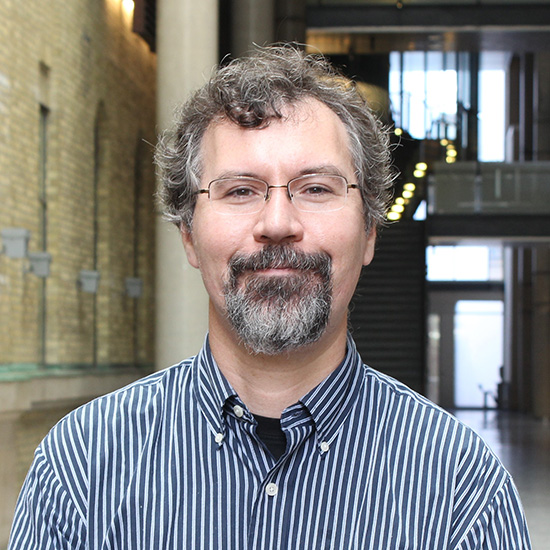
Dan Tomchyshyn (ChemE)
Agnes Kaneko Citizenship Award
Recognizing a staff member who has served with distinction and made contributions to the Faculty’s mission above and beyond their job description over a long period of time.
Dan Tomchyshyn joined ChemE in 1991 in the position of Electronics Technologist. Keeping current with the rapid changes in computing and electronics technology, he saw through many technical transitions to his current role as Network Administrator. During this time, he has become an invaluable resource to our students, faculty, and staff, and regularly goes above and beyond to provide exceptional technical support, making IT challenges less daunting for those experiencing them. Tomchyshyn also lends his expertise outside the department, working with the Faculty’s IT team on infrastructure projects and supporting Faculty-wide centres and institutes such as ISTEP and Troost ILead. In addition, he provides exceptional service and support to our students, ensuring they have access to the technologies they need throughout lab renovations and other disruptions. During the pandemic, he has stepped up to offer support wherever needed, going well beyond the scope of his official role. Most notably, he was the first to volunteer to provide the extra help required in the shipping and receiving office, ensuring that the department’s research activity could continue uninterrupted.
Safwat Zaky Research Leader Award
Recognizing leadership in innovative interdisciplinary and multiple-investigator initiatives that have enhanced the Faculty’s research profile.
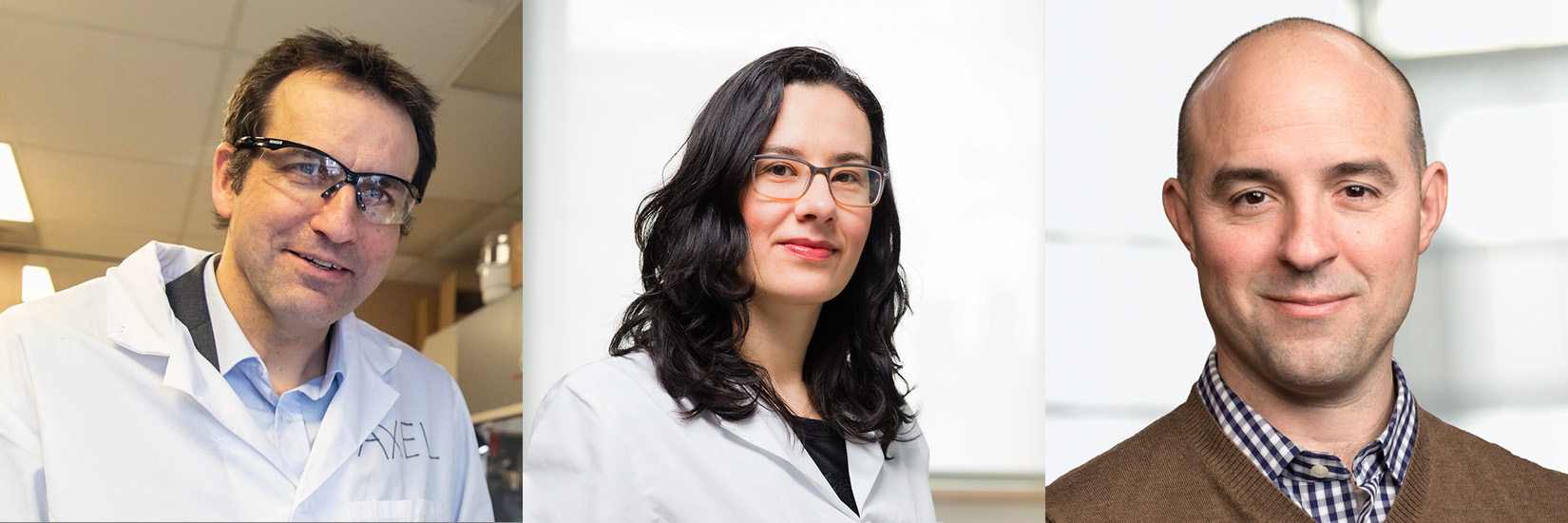
Axel Guenther (MIE, BME), Milica Radisic (ChemE, BME) and Aaron Wheeler (Chemistry, BME)
The Centre for Research and Applications in Fluidic Technologies (CRAFT)
This team of researchers is being recognized for their work over the last few years to create the Centre for Research and Applications in Fluidic Technologies (CRAFT). Working with Teodor Veres, their counterpart at the National Research Council of Canada (NRC), the team developed this unique U of T-NRC venture bringing together more than $50M in state-of-the-art microfluidics infrastructure and lab equipment, including a new Device Foundry and Tissue Foundry at U of T, both set to open later this year. In the coming years these facilities, supported by expert staff, will be used by hundreds of trainees and researchers from across U of T Engineering, other Faculties, and other universities in Ontario and beyond. CRAFT will support multidisciplinary teams — including engineers, biologists, physical scientists and clinicians — developing leading-edge microfluidic devices to be manufactured by Canadian industry partners and used by healthcare practitioners in clinical practice. CRAFT aims to strengthen the entire value chain of microfluidic manufacturing in Canada, making U of T a world leader in creating and translating microfluidics-enabled technologies that improve the health of Canadians.
TEACHING AWARDS
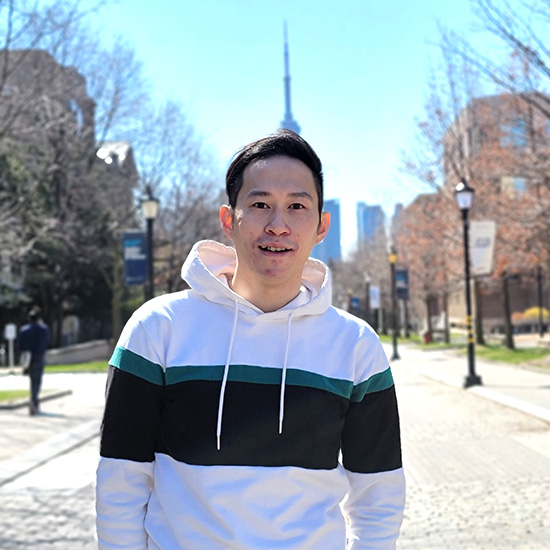
Kok Long Ng (MSE)
Teaching Assistant Award
Recognizing a TA who demonstrates excellence in classroom teaching, working with students, and the development of course materials.
As a TA for second-, third-, and fourth-year undergraduate courses in MSE, Kok Long Ng has delivered outstanding classroom instruction and made significant improvements in tutorials and labs, leading to him being voted Best TA in the MSE Impact Teaching Awards in 2020. Subsequently, Ng was appointed as co-instructor for MSE 318: Phase Transformations. In this role, he continues to innovate, incorporating more teamwork and active learning into the course, adding a Q&A session, and creating a process for ongoing feedback and improvement. During the pandemic, Ng has used Blackboard Collaborate and other technologies to seamlessly pivot his courses to an online format. Ng cares deeply about the student experience both within and beyond the classroom and goes out of his way to make himself available to his students, even for issues that extend beyond the courses he teaches. As a result of his efforts, Ng’s course evaluations are consistently well above the Faculty average, and students describe him as “patient”, “helpful”, “approachable”, “the best TA on campus” and “the best TA I have ever seen.”

Gisele Azimi (ChemE, MSE)
Early Career Teaching Award
Recognizing an early career educator who has demonstrated exceptional classroom instruction and teaching methods.
Since joining the Faculty in 2014, Gisele Azimi has taught four undergraduate courses in ChemE and MSE. She has done tremendous work in building and continuously improving these courses each year, with new content, materials, and assignments. In addition, she has made outstanding contributions to APS490: Multidisciplinary Capstone Design, supervising two groups of fourth-year engineering students from different disciplines working on projects focused on design and development in small rural communities. In 2019-20, she supervised a group of students who designed a solar power system for a remote indigenous community in Costa Rica, travelling with them to the community and advising the students throughout the course term. Azimi is a member of MSE’s Teaching Methods and Resources Committee, as well as the Undergraduate Curriculum Committees in both ChemE and MSE. She has used the knowledge developed in these committees to create linkages between her course content and other relevant courses across the curriculum. Azimi has received the ChemE Bill Burgess Teacher of the Year Award for Large Classes and the MSE Impact Teacher of the Year Award.

Chirag Variawa (ISTEP)
Early Career Teaching Award
Recognizing an early career educator who has demonstrated exceptional classroom instruction and teaching methods.
Since joining the Faculty in 2016, Chirag Variawa has had a leadership role, through coordination and instruction, in several large first-year engineering courses, including APS100: Orientation to Engineering and APS106: Fundamentals of Computer Programming. His success in teaching these complex and challenging foundational courses, both online and in person, is indicative of his talent and skill as an educator. Variawa is also making important contributions as the Faculty’s Director, First Year Curriculum. In this role, he supports a team of first-year instructors and staff in creating a coherent curriculum for our first-year students with a focus on inclusivity and the integration of active learning opportunities. Additionally, as the Faculty-in-Residence for U of T’s Chestnut Residence, Variawa works with students through one-on-one and group programming, supporting both their curricular and co-curricular experiences. Outside of his official leadership roles, Variawa spearheaded the creation of the First-Year Engineering Education Research (FYEER) group, which focuses on the mitigation of learning barriers and the enhancement of student learning and experience.
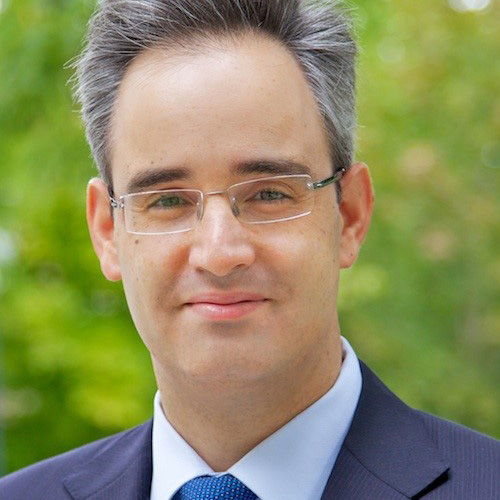
Costas Sarris (ECE)
Faculty Teaching Award
Recognizing a faculty member who demonstrates outstanding classroom instruction and develops innovative teaching methods.
Costas Sarris has been one of ECE’s top-rated instructors, with outstanding teaching evaluations in courses that tackle some of the most challenging topics in the ECE undergraduate curriculum, relating to electromagnetic fields and waves. His instruction integrates experiments, theory, big picture and detail-oriented presentations, and group and individual work, offering pathways to learning and success to every student, regardless of their learning style. Sarris has created innovative course materials, including conceptual question banks, experimental/software-based demos and notes that link his courses with popular technologies (e.g. wireless communications and medical imaging) and advanced research topics. Even before the transition to online teaching this year, he designed tools for individual learning, including lecture recordings; he recently developed “concept videos”, aimed at concisely introducing key new topics. He has also led fourth-year capstone projects and theses resulting in published and award-winning research. Sarris has won the Gordon R. Slemon Award for the teaching of design and has received the ECE Undergraduate Teaching Award three times.
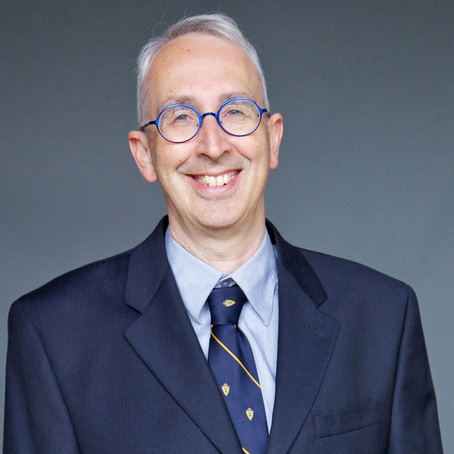
Steven Thorpe (MSE)
Sustained Excellence in Teaching Award
Recognizing a faculty member who has demonstrated excellence in teaching over the course of at least 15 years.
Since joining the Faculty in 1987, Steven Thorpe has demonstrated both exceptional classroom instruction and a deep commitment to the broader development of his students as individuals, often mentoring them throughout their education and subsequent careers. In this respect he has been a pioneer in now-popular concepts such as holistic education and lifelong learning. Thorpe is also a leader in innovative course design. For example, his course MSE458: Nanotechnology in Alternate Energy Systems gives students the experience of creating and pitching a design proposal in a “Dragons Den” format to a team of industry experts. He also recently created a unique weeklong electrochemical course, which has been in such high demand that it ran three times in a single academic year. Over the years, Thorpe has been at the forefront of using new technologies in his teaching, being one of the first instructors to use a tablet in the classroom and creating an iPhone app for one of his courses. Thorpe has won the Faculty Teaching Award, the MSE Impact Best Teacher Award, and was recognized in TVO’s Big Ideas Best Lecturer Competition.
Two U of T Engineering professors and three alumni have been honoured by the Ontario Society of Professional Engineers (OSPE) and Professional Engineers Ontario (PEO) with Ontario Professional Engineers Awards. These awards recognize professional engineers in Ontario who have made outstanding contributions to the profession and to society.
Professor Baher Abdulhai (CivMin) won the Engineering Excellence medal, recognizing overall excellence in the practice of engineering. Professor Eric Diller (MIE) garnered the Young Engineer Medal, for an early-career engineer who has demonstrated professional excellence as well as service to the community. Alumnus Hugo Blasutta (CivE 7T7, MEng 7T8) received the Management Medal, for innovative management contributing significantly to an engineering achievement. Alumnus Peter Halsall (CivE 7T7) won the Gold Medal, recognizing public service, technical excellence, and outstanding professional leadership. Alumna Sandra Odendahl (ChemE MASc 9T0) received the Citizenship Award, given to an engineer who has made significant volunteer contributions to the community.
“These recipients illustrate the amazing depth and breadth of the contributions being made by U of T engineers, spanning research, management, entrepreneurship, professional leadership, and service to the profession and to the community,” said U of T Engineering Dean Christopher Yip. “On behalf of the Faculty, my warmest congratulations to these outstanding engineering faculty and alumni on this well-deserved recognition.”
 Baher Abdulhai conducts leading-edge research aimed at reducing traffic congestion and enhancing efficiency and sustainability. His achievements include the establishment and leadership of the Intelligent Transportation Systems (ITS) Centre and the iCity Centre for Transformative Transportation Systems, as well as the invention of two patented traffic signal control systems, which have been licensed by major technology firms.
He has authored and co-authored 65 journal papers, 146 refereed conference papers, and 12 book chapters. Abdulhai’s research team has won several international awards, including the International Transportation Forum Innovation Award in 2010 and best dissertation awards at the IEEE ITS and INFORMS conferences. The ITS Centre garnered the Ontario Showcase Merit Award of Excellence and the National Bronze Medal Award in 2005. In 2014, Abdulhai received the U of T Inventor of the Year Award. He held a Canada Research Chair from 2005 to 2010. Abdulhai has led the teaching of intelligent transportation systems at U of T since 1998, receiving an early career teaching award from the Faculty in 2002. He is an elected fellow of the Canadian Academy of Engineering and the Engineering Institute of Canada, and received the 2018 Canadian Society for Civil Engineering Sandford Fleming Award for contributions to transportation engineering.

Eric Diller’s research is bringing magnetic wireless small-scale robots from untested concept to application. He has made significant advances in fundamental new capabilities for actuation and control of novel biomedical microdevices and has developed new devices such as miniaturized surgical tools and ‘smart pills’. Along with his academic, clinical and industry partners, he is rapidly progressing towards applying these advances to commercialization.
Diller’s advances in this area have been recognized with multiple awards, including the Ontario Early Researcher Award, the U of T Connaught Innovation Award, the Canadian Society for Mechanical Engineering’s I.W. Smith Award, and the IEEE Robotics and Automation Society’s Early Career Award. Diller has published 68 peer-reviewed publications in top journals such as Science Robotics, Nature Communications and Advanced Functional Materials, and his papers have been cited around 2700 times. His research has been nominated for six Best Paper Awards at engineering conferences. In addition to research articles, his work has resulted in six patent and provisional patent applications. Diller’s research is frequently featured in the press, including IEEE Spectrum, NBC News, Science News, and The Financial Times. A recent video of his work on the YouTube channel Veritasium has received more than 1.8 million views.
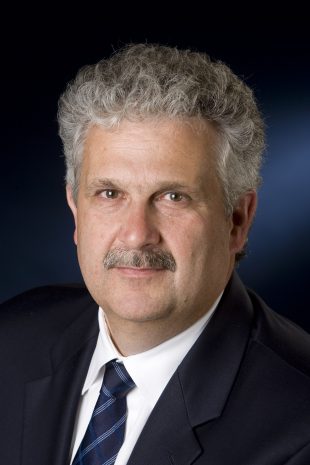
Hugo Blasutta has more than 40 years of high-level management experience in the consulting engineering industry. His numerous executive roles include Partner at Yolles Partnership Inc., CEO of MMM Group Limited, and President and CEO of WSP Canada Inc. In these roles, he energized the organizations, developing a high-performance culture, recruiting and developing leading technical and business talent, and developing and implementing ambitious strategic plans. Through enhanced development opportunities and performance incentives, Blasutta ensured that young engineers in these firms could develop their technical and managerial skills and advance in their careers.
He also spearheaded technical and business innovations which put the companies he led at the forefront of the industry and resulted in significant business improvements, including employee engagement, client satisfaction, and financial performance. His management of these firms advanced the Canadian consulting engineering industry. Blasutta has served on several industry boards of directors and advisory boards. He is currently a member of the Industry Advisory Board for the Department of Civil & Mineral Engineering, providing guidance to support the department’s collaborative research activities with industry and enhance opportunities for experiential learning for students.

As Chairman/CEO of the Halsall group of companies, Peter Halsall led the integration of sustainability into all aspects of its businesses and services and its growth to over 350 employees. After Halsall’s sale to an international company, he was responsible for creating the company’s global sustainability program. As Executive Director of the Canadian Urban Institute, Halsall led the development of Solutions for a Low Carbon Future. He has co-founded Synergy Partners, a building restoration firm, and Purpose Building, a sustainable building company.
Throughout his career, he has ensured that sustainability is the central tenet of the organizations he leads. Through the Halsall Family Foundation, Halsall has supported several community organizations providing opportunities for disadvantaged youth. He has served on advisory boards for U of T and McMaster University, as well as community organizations such as Evergreen Cityworks, and has led many efforts to design a greener city. Halsall’s work has been recognized with Lifetime Achievement Awards from the Canada Green Building Council, Sustainable Buildings Canada and the Ontario Building Envelope Council. He has been inducted into the U of T Engineering Hall of Distinction and received a U of T Arbor Award for his service to his alma mater. Halsall was elected a fellow of the Canadian Academy of Engineering in 2011.

Throughout her career, Sandra Odendahl has championed sustainability and innovation in industry and finance, leveraging her knowledge of environmental engineering to enable sustainable and socially responsible innovation in the financial sector. Currently, as Vice-President, Social Impact & Sustainability for Scotiabank, she leads teams that facilitate strategies for addressing climate change, economic resilience, and diversity and inclusion. Previously, as CEO of CMC Research Institutes, she helped secure partnerships to scale up carbon-reducing technology for industry.
Earlier in her career, she held several pioneering sustainability and social innovation roles at the Royal Bank of Canada. Odendahl’s volunteer contributions are wide-ranging and exceptional. She presently serves as Board Director for the Ontario Clean Water Agency, the Canadian Institute for Climate Choices, and NEXT Canada. She previously served as Board Director and Chair of the Toronto Atmospheric Fund. Odendahl volunteers regularly on committees and advisory panels related to the environment and sustainable finance. She has also been an active volunteer for U of T, Ryerson University and the University of Ottawa. Odendahl has been included in the Canada’s Clean50 list for her efforts to promote sustainability, and she has received awards for volunteerism from Ryerson and U of T.
In February, U of T Engineering students in MSE398: Materials Manufacturing and Design Laboratory received a package in the mail. Inside was a lab kit, with components — mechanical parts, electrical components, a printed circuit board (PCB), and tools — to build an at-home mini mechanical tester machine for their labs.
“You assemble the pieces like IKEA furniture,” says teaching assistant Crystal Liu (MIE 1T8 + PEY, MSE MASc candidate).
To keep remote learning engaging and hands-on during the pandemic, U of T Engineering instructors have gotten creative to adapt their teaching and lab exercises. For Liu and course instructor Professor Scott Ramsay (MSE) it was paramount that third-year materials science engineering students still had an opportunity to gain experience performing hands-on work.
“Last spring, Professor Ramsay and I talked about the term ahead — we knew the pandemic was far from being over in a year’s time. We both agreed that we couldn’t have students doing just simulations, it’s just not the same as a hands-on experience,” says Liu. “So, we decided to send them something.”
Liu began designing a lab kit for the course and decided to make the design freely available online to benefit others. Through the summer, she sourced materials and components. For custom designed parts, she worked with staff at the Myhal Centre’s Fabrication Facility to 3D print and laser cut them.
By the Fall term Liu had the materials to package 50 lab kits, and by the Winter term, she had mailed them to students as far away as Dubai, China and Turkey. For those in Toronto, Liu safely delivered them to students’ homes or arranged for them to be picked up.
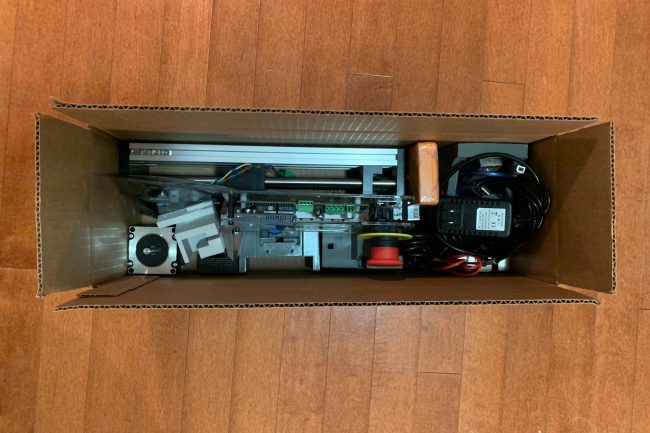
The course’s first assignment is to build it. Once fully assembled, the mechanical tester is the size of a shoe box. It comes complete with a custom-designed PCB, user interface, and all firmware, as well as safety features such as a shield that must be installed for the machine to run, and a large emergency-stop button.
For their second assignment, students were provided with a bag of material samples to analyze. “These include 3D printed samples, ranging from very brittle to very stretchy, and items you can find in daily life, like tapes and plastic bags,” explains Liu.
Once students insert the sample, the machine stretches it, measuring the force being applied, as well as the displacement, or how far the sample has been stretched. The user interface shows the force-versus-displacement curve while the data is saved in real time. Students then use this to study the material’s properties and how the data is generated.
Here's a sneak peek of the open source remote learning kit for every @uoftengineering student taking MSE398 with @DrScottRamsay this winter – the Miniature Mechanical Testing Kit (MMTK). [1/3]#OSH #uoftengineering #materialscience #engineeringdesign pic.twitter.com/i06SiOMDjk
— Crystal Liu (@CrystalMeow314) December 18, 2020
The students’ final assignment required them to find an adhesive seam to peel, such as the ones at the top of a bag of chips, to conduct their own peel-force test using the machine.
“They go from learning how to perform a tensile test that is already designed for them, to then having to apply what they learned in order to conduct their own experiment procedure from scratch,” says Liu. “What they’re learning and how they go about it, is as close as you can get to what it would be like if they were operating equipment on campus.”
Liu and Ramsay have received positive feedback from students. “They like how hands-on it has been and really appreciated the amount of time and effort we put into the course,” she says.
Liu’s experience designing the lab kit is helping to inform her master’s project on designing and implementing open-source hardware in engineering research. The kits were partially funded by Ramsay’s Hart Teaching Innovation Professorship.
“Crystal has worked exceptionally hard on this project and it is impressive that she was able to put this together for our students,” says Ramsay. “The hands-on experience is one of the most important aspects of this course — I’m so pleased that we’ve been able to give the students some of that experience in the remote environment.”
After the term wraps up in a few weeks, Liu plans to turn her research, including two mechanical testers, into a startup with the support of U of T Engineering’s Entrepreneurship Hatchery.
“I believe students learn better by building and playing, so this type of device could be beneficial to students at other universities, they could even be used in high school science labs,” says Liu. “However, not everyone can go from freely available design plans to components and to a product. So, through a startup, I’m hoping to make these designs even more accessible to others.”
U of T Engineering alumnus Alfred Aho (EngPhys 6T3), alongside collaborator Jeffrey Ullman, has received the 2020 A.M. Turing Award — widely considered the Nobel Prize of computing — for their influential work in algorithms and compilers.
The award is named after mathematician and computer scientist Alan M. Turing, who articulated the mathematical foundation and limits of computing. It carries a $1-million prize with financial support provided by Google Inc.
In the late 1960s, Aho and Ullman were key members of research centre Bell Labs. There, they helped create the compiler, a crucial tool that takes in software programs written by humans and turns them into language that computers can understand. Their pattern-matching algorithms are run daily on computers around the world today, while their textbooks on algorithms and compilers have been used to educate generations of software engineers.
“It’s impossible to overstate the significance of Professor Aho’s foundational contributions to programming and software engineering,” says Professor Will Cluett, Director of Engineering Science. “He is a towering figure in the field, and an inspiration to classes of Engineering Science students, past, present and future.”
Aho is currently appointed the Lawrence Gussman Professor Emeritus of Computer Science at Columbia University. His honours include the IEEE John von Neumann Medal and the NEC C&C Foundation C&C Prize. He is also a member of the U.S National Academy of Engineering, the American Academy of Arts and Sciences, and the Royal Society of Canada. He is a Fellow of ACM, IEEE, Bell Labs, and the American Association for the Advancement of Science. In 2015, Aho received an honorary degree from the University of Toronto, and in 2018, he was inducted into the Engineering Alumni Hall of Distinction at the Engineering Alumni Network Awards.
“The software researchers develop today would not be possible without the fundamental work of Alfred Aho and Jeffrey Ullman. They helped define the modern programming industry, and therefore shaped the very world around us,” says Chris Yip, Dean of U of T Engineering. “On behalf of U of T Engineering, my enthusiastic congratulations on this incredibly prestigious recognition. We have long been tremendously proud to call Professor Aho a U of T Engineering alumnus.”
Professor Michael Carter (MIE) is among this year’s recipients of the University of Toronto President’s Impact Award. The award recognizes faculty members whose research has made a significant impact outside of academia.
Recipients receive $10,000 per year for five years to be used toward their research, and become members of the President’s Impact Academy.
Carter is being recognized for his pioneering contributions to the field of health-care engineering. His research and use of industrial engineering principles has led to substantial improvements in the health-care system in Canada and beyond.
Over the past 30 years, Carter has demonstrated the important role industrial engineers play in optimizing health-care systems. His work has been applied to improve government policy and practice in a number of areas, including surgical scheduling, managing scarce resources, and predicting future demand for health-care procedures and practitioners.
As one of the first academics in Canada to dedicate his research and teaching to improving the health-care system, Carter has supervised hundreds of students. More than 130 of his graduates are now working in the health-care sector, many of whom are in leadership roles.
Carter is also the Founding Director of the Centre for Healthcare Engineering (CHE), which launched in 2014 with funding from the Dean’s Strategic Fund. He has developed research partnerships with most hospitals in the Greater Toronto Area as well as provincial and federal governments across Canada.
“The current pandemic has, among other important lessons, underscored how crucial it is to have an optimized health-care system before a crisis strikes,” says Chris Yip, Dean of U of T Engineering. “On behalf of U of T Engineering, I want to extend my heartfelt congratulations to Professor Michael Carter, whose career-long commitment to health-care engineering has helped to improve the lives of people across the country and around the world. This honour is well deserved.”