
Robotics news

U of T Engineering has the largest and most diverse robotics program in Canada, and together with a range of strategic industrial partners we are ushering in a future where robots will extend human capabilities and improve lives.

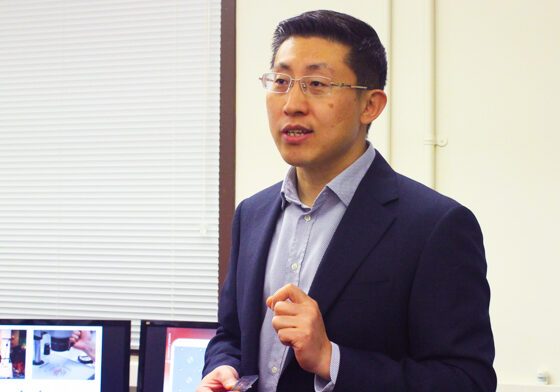
Sun is recognized for creating outstanding inventions that have made a positive impact on quality of life and society
Professor Yu Sun elected Fellow of the National Academy of Inventors

Sun is recognized for creating outstanding inventions that have made a positive impact on quality of life and society

web-160A8985

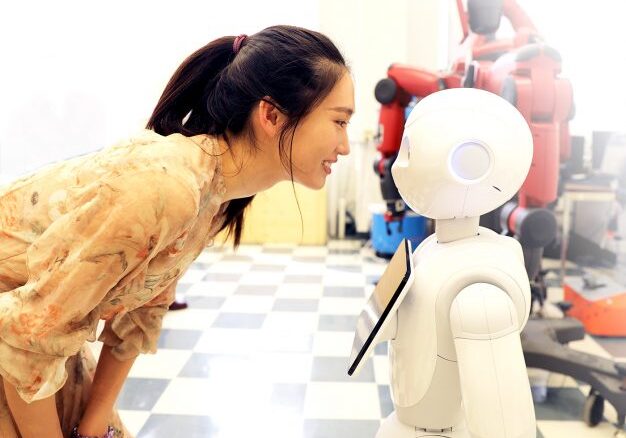
Meet Pepper: An AI robot that will reduce wait times in hospitals

The newest robotic platform in Professor Goldie Nejat’s lab is designed to automate data intake and patient monitoring
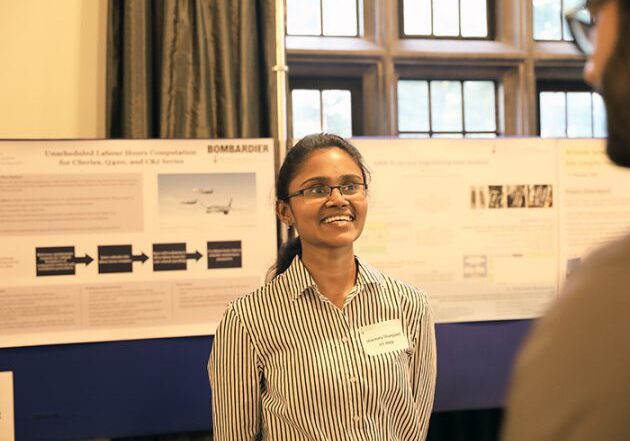
UT-IMDI students and industry partners celebrate the completion of 38 projects motivated by industry challenges at a special dinner reception. (Credit: Liz Do)

U of T Engineering students share multidisciplinary solutions to big industry challenges

Students in the University of Toronto’s Institute for Multidisciplinary Design and Innovation (UT-IMDI) share the results of their industry-sponsored projects at evening celebration
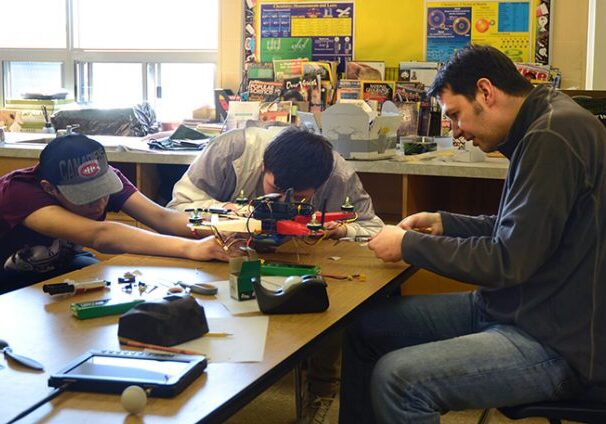
Professor Craig Steeves (UTIAS), right, assembles a quadrotor drone with Grade 10 students at Dennis Franklin Cromarty High School in Thunder Bay, Ont. (Photo: Rikky Duivenvoorden)

UTIAS researchers launch drone outreach program in Thunder Bay

UTIAS researchers partner with Indigenous high school in Thunder Bay to teach students how to build a drone
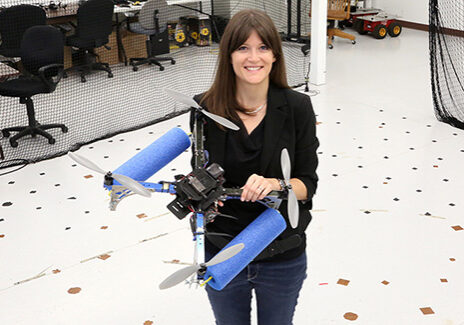
AngelaSchoellig500x325

National robotics consortium receives $5.5M NSERC Strategic Partnership Grant

U of T Engineering researchers at the forefront of NSERC Canadian Robotics Network that aims to advance Canada’s role as a global leader in the field
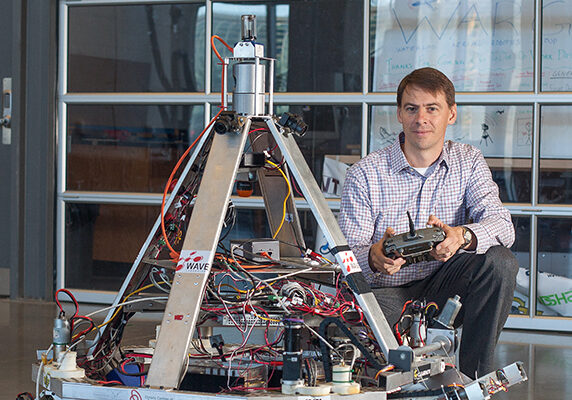
Professor Steven Waslander (UTIAS) joined the University of Toronto on May 1, 2018. He is a leading expert in control systems for aerial and terrestrial robotics. (Courtesy: Steven Waslander)

Robotics by land and air: A Q&A with Steven Waslander

Internationally renowned expert in robotics and AI joins the University of Toronto Institute for Aerospace Studies
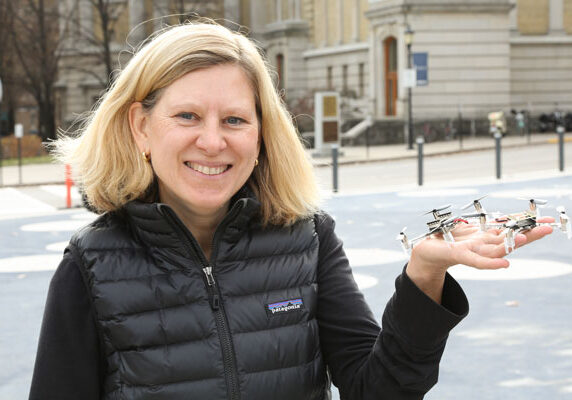
Professor Mireille Broucke (ECE) uses flying robots like these drones as a testbed to develop control algorithms capable of handling dynamic, real-world situations. (Photo: Tyler Irving)

Steering through uncertainty: U of T Engineering research creates control algorithms for self-driving robots

Mireille Broucke and her colleagues in the Institute for Robotics and Mechatronics design theoretical frameworks to help drones and autonomous vehicles navigate in changing conditions
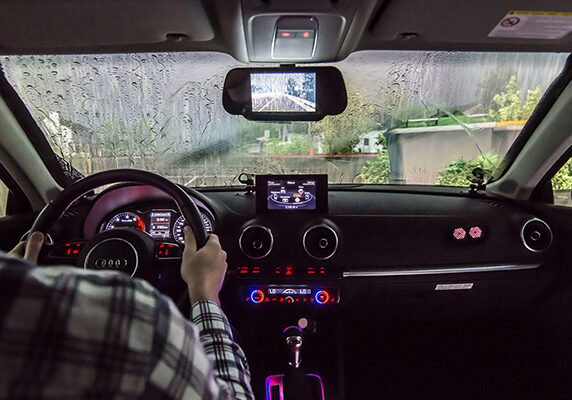
DriverLab simulation

U of T Engineering researchers use DriverLab simulator to focus on driver behaviour and safety

DriverLab is the only simulator of its kind in Canada and offers a safe way to study a range of human variables in realistic traffic and weather conditions

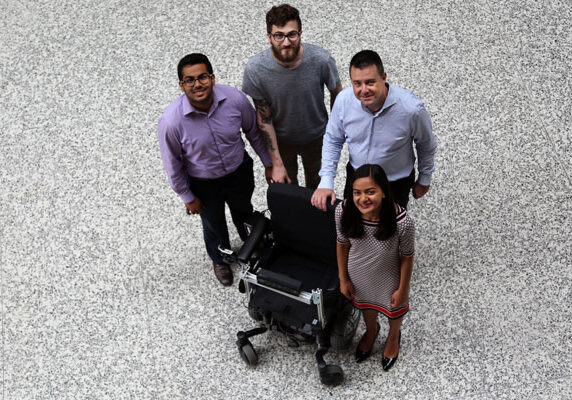
Clockwise from left, Marian Daniel (Year 2 ECE), Patrick Howell (ECE 1T7), Professor Jonathan Kelly (UTIAS) and Maya Burhakpurkar are just a few members of the research team who have developed a low-cost system that enables electric wheelchairs to become partly or fully autonomous.

Wheelchairs get robotic retrofit to become self-driving

Low-cost technology developed by multidisciplinary U of T Engineering research team could assist people with limited mobility due to multiple sclerosis, Parkinson’s or other conditions