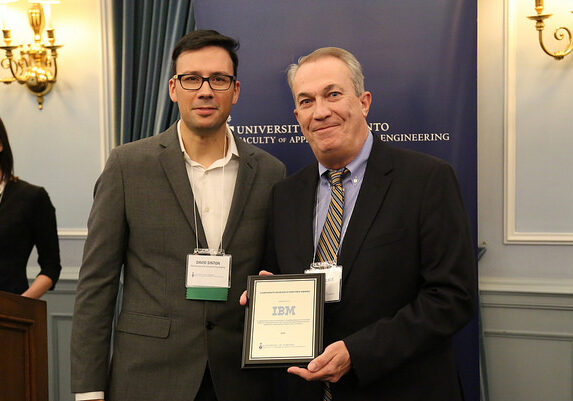
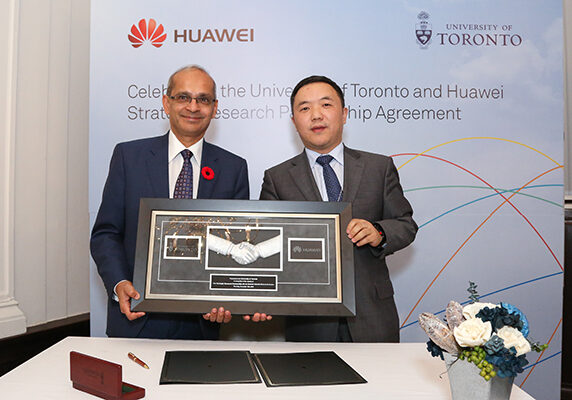
Interdisciplinary U of T Engineering projects receive funding from relaunched Connaught Global Challenge Award
U of T research teams led by David Lie, Brent Sleep and Mark Fox are winners of this year’s Connaught Global Challenge Award
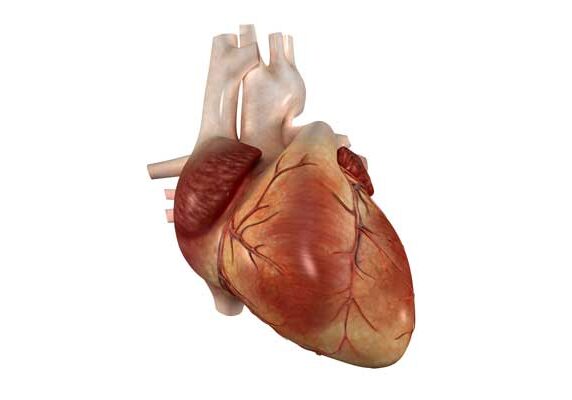
TBEP and MbD: Engineered smart scaffolds could help repair damaged hearts and muscles
Two multidisciplinary partnerships led by U of T Engineering researchers are developing implantable biomaterials that accelerate injury recovery, from car accidents to heart attacks.
New frontiers in health-care innovation
This article originally appeared in the 2016 issue of Skulematters magazine. Interdisciplinary research from U of T Engineering is helping us live longer, healthier lives. These projects from across our Faculty illustrate leading-edge innovations that will improve health care, from planning and prevention to diagnosis and treatment: Optimizing surgical schedules Long wait lists for elective surgeries […]
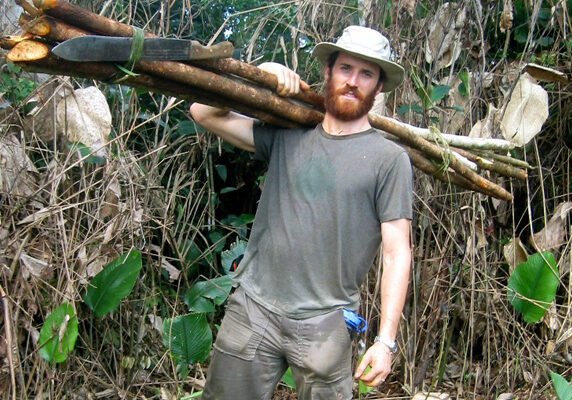
The next generation of solar pioneers: Electrifying a nation
U of T Engineering alumni John Paul Morgan and Shawn Qu are entrepreneurs whose ingenuity is lighting up parts of the Democratic Republic of Congo
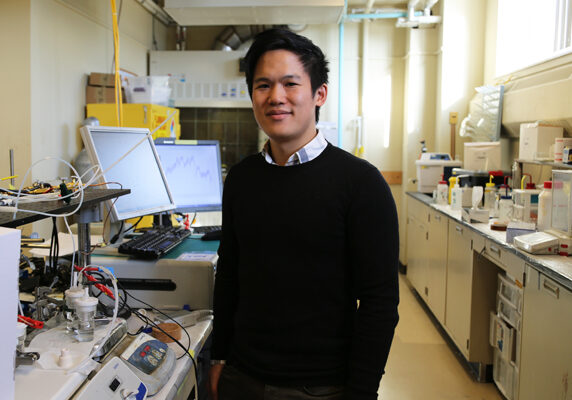
U of T team advances to next round of Carbon XPRIZE competition
A team of U of T researchers led by Professor Ted Sargent had advanced to the second round of the NRG COSIA Carbon XPRIZE international competition.
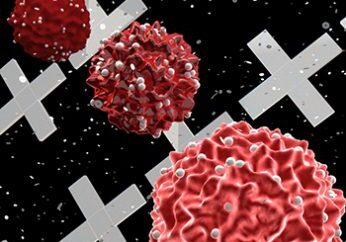
Understanding circulating tumour cells
Ted Sargent (ECE) and Mahla Poudineh (ECE PhD 1T6) part of multidisciplinary research group developing new tool to track circulating tumour cells
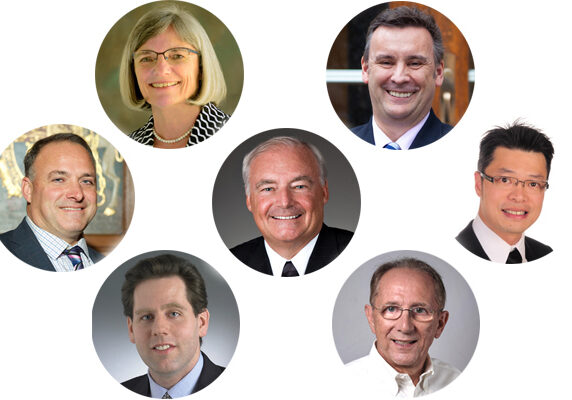
Ontario Professional Engineers Awards gala honours seven members of U of T Engineering community
The event honours and celebrates engineers who have made exceptional contributions to their profession