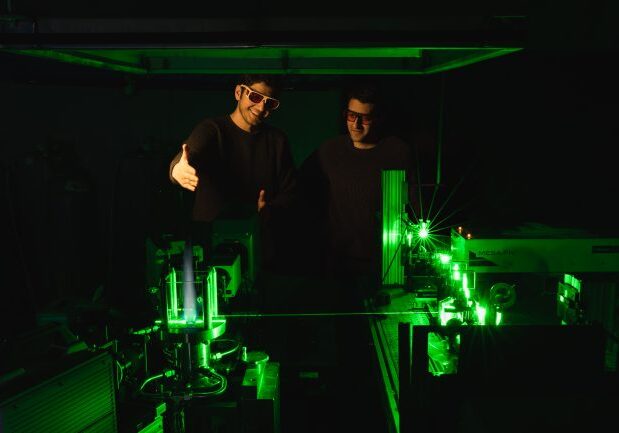
U of T Engineering researchers partner with Siemens Energy to tackle sustainable energy production
Professor Swetaprovo Chaudhuri (UTIAS) is researching how to build a novel, fuel-flex gas turbine engine to harness hydrogen-based power
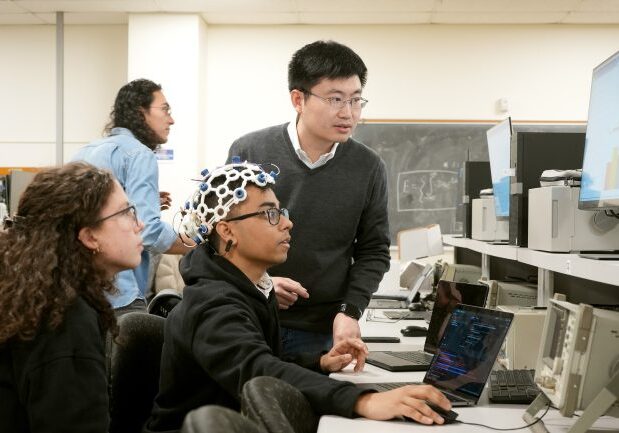
New ECE course on brain-machine interfaces introduces undergraduates to next-gen health care
Professors Xilin Liu and Ervin Sejdić have launched a fourth-year undergraduate course on the neural interfacing technology used in treatment of Parkinson’s, epilepsy and other diseases
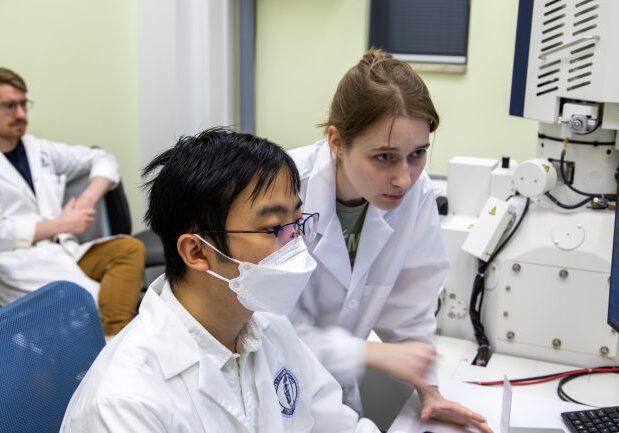
U of T Engineering’s OCCAM partners with Royal Ontario Museum to preserve ancient Greek coins
Characterization studies carried out by MSE researchers support historical conservation, green energy research, advanced manufacturing and more
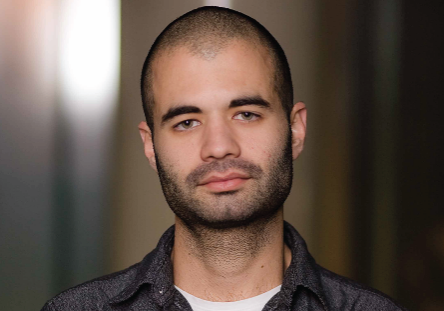
Developer-in-the-loop: Building human-compatible approaches to source code summarization
Professor Eldan Cohen (MIE) is one of four U of T Engineering professors receiving support from the Connaught New Researcher Award
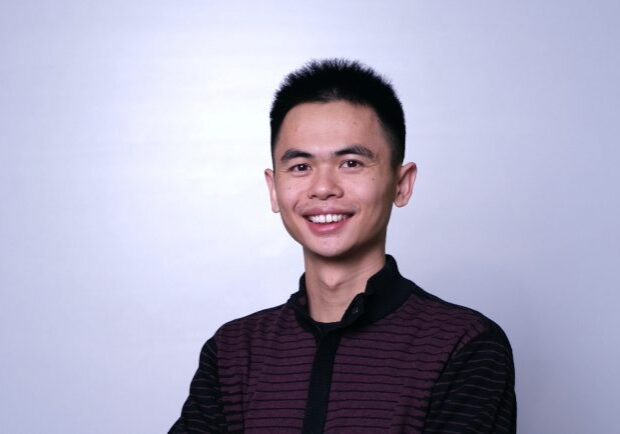
‘Teaching science and engineering as it is done’: Meet Professor Freeman Lan
Professor Lan’s research goals include understanding and engineering the human gut microbiome
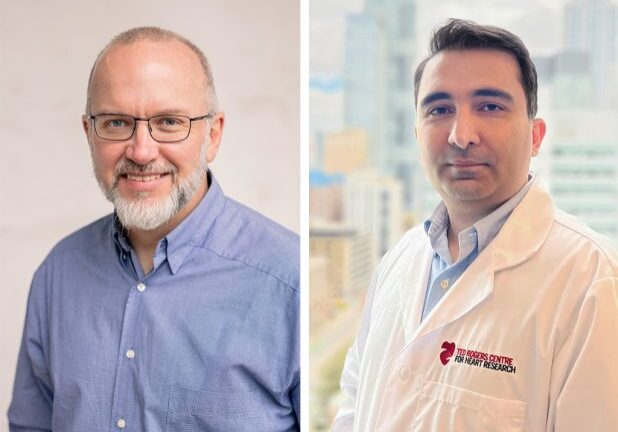
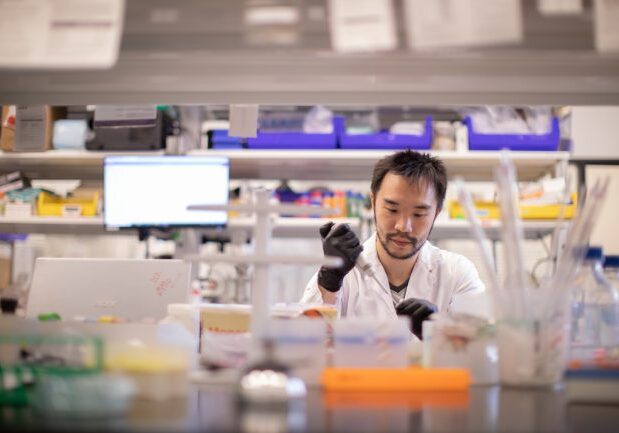
U of T Engineering researchers develop new method for engineering soft connective tissue
Novel approach, developed by Professor Craig Simmons (BME, MIE), Bahram Mirani (MIE PhD candidate) and collaborators, leverages computational modelling, statistical optimization and Melt Electrowriting

U of T Engineering student pitches green hydrogen startup at international competition in Berlin
Ambrish Kumar (MSE MEng candidate), who developed his startup at The Entrepreneurship Hatchery, won Falling Walls Lab Toronto