
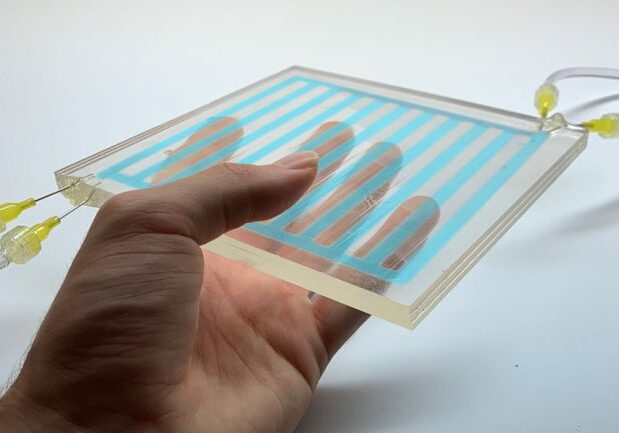
‘Liquid windows’ inspired by squid skin could help buildings react to changing environments, save on energy costs
U of T Engineering researchers create bio-inspired system that can optimize the wavelength, intensity and dispersion of light reaching building interiors
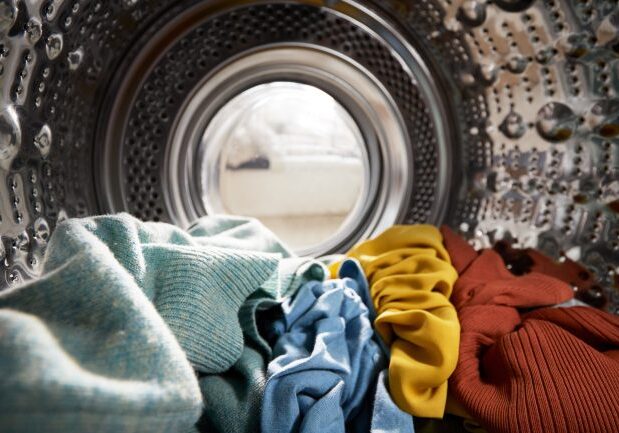
This new fabric coating could drastically reduce microplastic pollution from washing clothes
Professor Kevin Golovin (MIE) and his team of researchers are working on a fabric finish to prevent microplastic fibres from shedding during laundry cycles
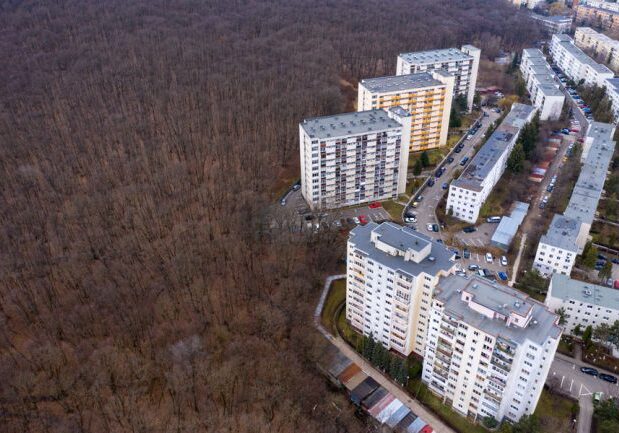
Build more, pollute less: New academic-industry partnership to balance infrastructure needs with environmental integrity
The Centre for the Sustainable Built Environment will study how improved structural design, smarter planning and better materials can reduce the environmental footprint of construction
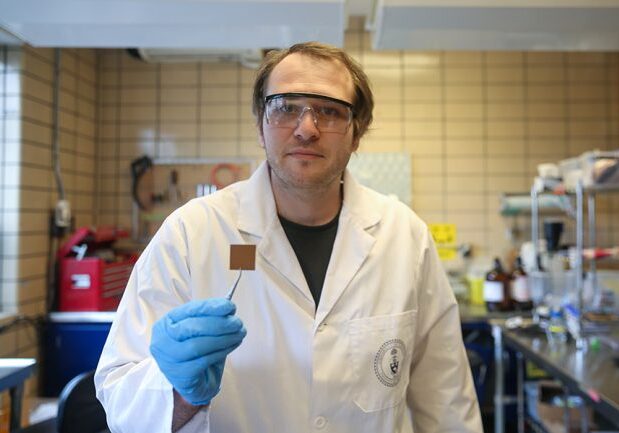
New catalyst design could make better use of captured carbon
U of T Engineering researchers improved the efficiency of an electrochemical process that converts carbon dioxide into commercially valuable products

How a made-in-Ontario collaboration is creating next-generation components for electric vehicles
Professor Olivier Trescases (ECE) and his team are partnering with Litens, developers of automotive components and technology, to improve EV performance
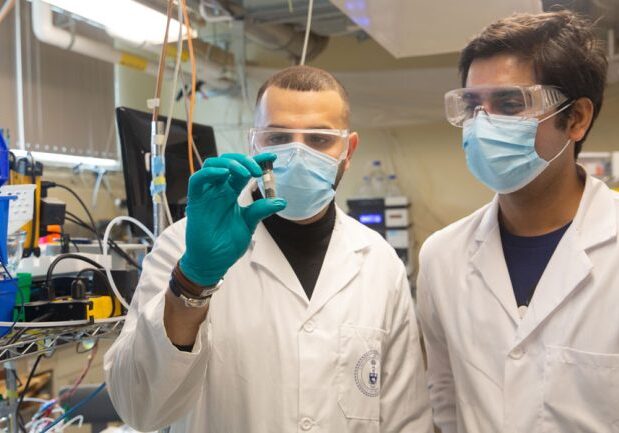
U of T Engineering-Fujitsu collaboration uses quantum-inspired computing to discover improved catalyst for clean hydrogen production
Researchers from U of T Engineering and Fujitsu have developed a new way of searching through ‘chemical space’ for materials with desirable properties.
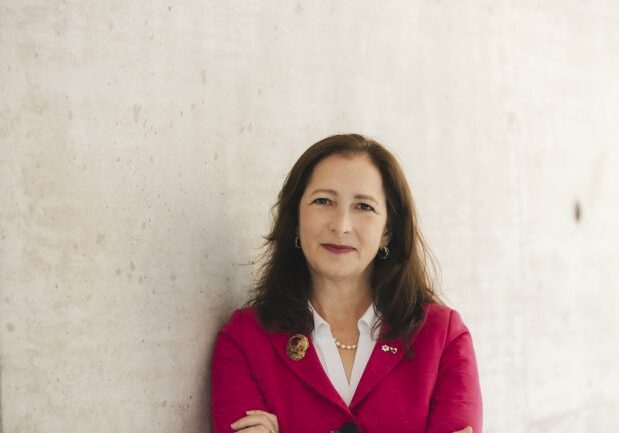
Professor Molly Shoichet elected Fellow of the National Academy of Inventors
Shoichet is recognized for creating outstanding inventions that have made a positive impact on quality of life and society

Two BME doctoral students awarded 2022 Vanier Canada Graduate Scholarships
The scholarships provide $150,000 in funding and recognize students for leadership, research impact and academic achievement
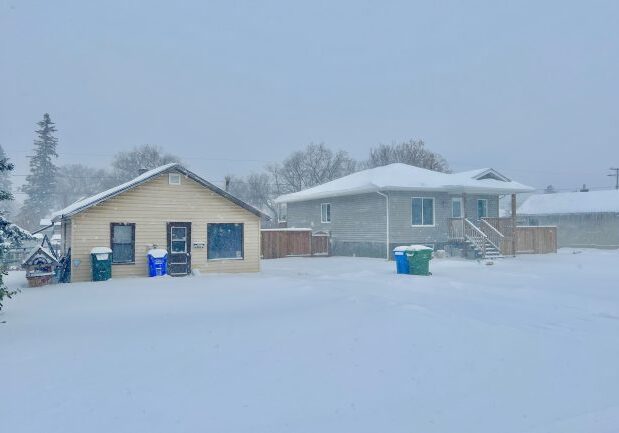
Connaught Global Challenge Award to build pathways to housing self-sufficiency in remote First Nations communities
A new partnership, powered by a Connaught Global Challenge Award, will bring several First Nations in Saskatchewan together with a team of researchers from the University of Toronto and Toronto Metropolitan University to develop new pathways toward housing self-sufficiency. “A key issue in these communities is the availability of building materials, specifically the reliance on […]
